Nobody Asks About the Grocery list

If my gut is anything to go by, you have never had to think about what it takes to rehabilitate a child’s nervous system from scratch. And you’ve likely never thought about the link to that reqire and food. Almost all of our children have, at some point in their lives before us, experienced severe food insecurity. That means they’ve lived much of their formative years uncertain as to how, when or what they’re going to eat. The rehabilitation process is not as simple as making food available to a child who is malnourished. In fact, nursing a malnourished child back to ‘simple’ physical health is not nearly as simple as it sounds. And no, there’s not space in the picture soft-focus image of the linen-apron-clad mother artfully arranging heirloom carrots while a grateful child looks on.

There is a really unglamorous, deeply unsexy mechanic to the monotonous regime of creating safety around food, and it’s a part of this work that is often completely overlooked. Perhaps shadowed by the war like application of porridge, peanut butter sandwiches and slop that render many heroes. But the mere feeding and watering of children fills to truly get to the depths of the trauma that collectively ensures when depravity and scarcity have been foundational to a child’s existence. Feeding children slop isn’t enough. It isn’t.
And I would like, just once, to be believed about that.

When children arrive in our home, lives and nervous systems shaped by chaos, disruption, scarcity – their brains, and might I believe their bodies on a cellular level, have been rewired. And getting them back to an equilibrium from which they can thrive is not as simple as simply providing a bowl of porridge in a dull, scratched plastic bowl. It might keep them physically alive, sure I can’t argue that – but it will quite simply not provide them with the platform from which they can rejoin society as productive and contributing adults who are able to meaningfully contribute to their communities.


They say the gut is the second brain. What I have observed is that the first brain is rendered useless without it – and thus assigning it second status seems contrite and unthinking.
What my uneducated experience has shown me time and time again: you cannot therapy your way around a nervous system that has never known what “enough” tastes like. You have to feed your way through it. Slowly. Deliberately. For years. With adequate food. Predictable meal times. Consistent high nutrition. Ask most people what “trauma-informed care” looks like day to day and you’ll get therapy rooms, sand trays, maybe a dog. Nobody pictures a woman standing in a grocery store aisle with a groaning trolley, working out how to get iron, zinc, and omega-3s into a child who currently regards anything that isn’t ‘pap’ as a personal attack… while being conscious of an ever dwindling budget.

Yet in truth, the shelves of that grocery store hold the potential for more rehabilitative work than most people will ever truly understand. The nervous system doesn’t care how good your intentions are in the therapy room if the little body underneath it is still running on additives and adrenaline.
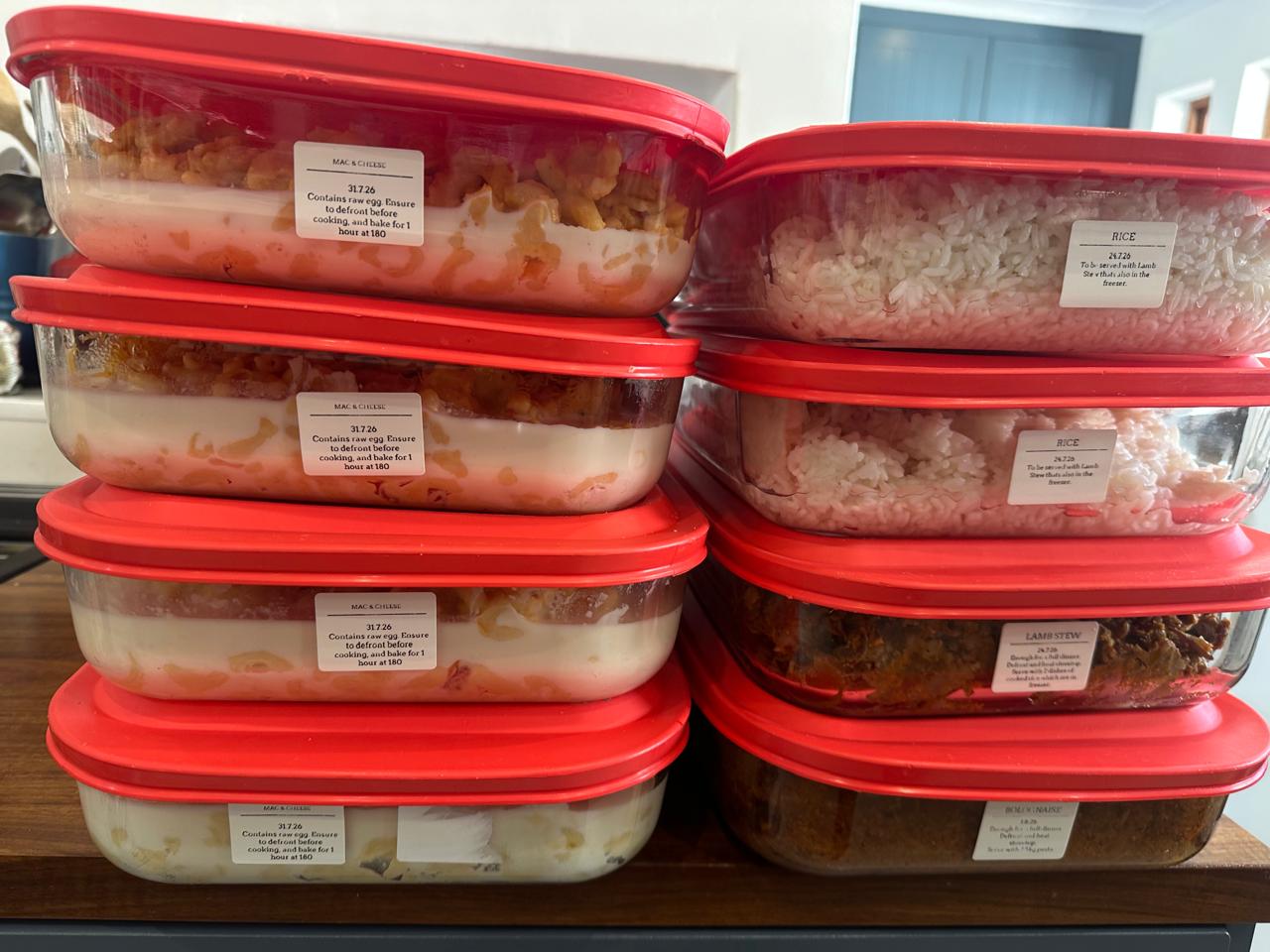
So at the core of every day here, at the very height of what I do is that: Grocery shopping, menu planning, food preparation, storage — every link in that chain runs through me. All of it.

There is no rostered handover, no “someone else has got this one.”

I hold the whole turnkey operation, from the trolley to the plate to whatever happens in a small body an hour after the plate is empty. And menu planning here isn’t “what shall we have for dinner” — it’s a standing exercise in matching nutrient density against sensory tolerance against behavioural history against whatever this particular week has thrown at us, for however many children are at the table on any given night. But at exactly midday, and again at 6pm daily – we eat. “What o’clock is it” a four year old will ask – and I know his little brain is computing when the next meal will come.

I have a deep, unshakeable belief in the power of food. Given the nature of what we do it may seem superfluous – surely just keeping them alive is enough? I refuse. I know how that sounds to some people — like a luxury, like something you reach for once the real interventions are handled and fundraising is sorted. But it’s not. It’s not the garnish on the healing. It’s load-bearing.
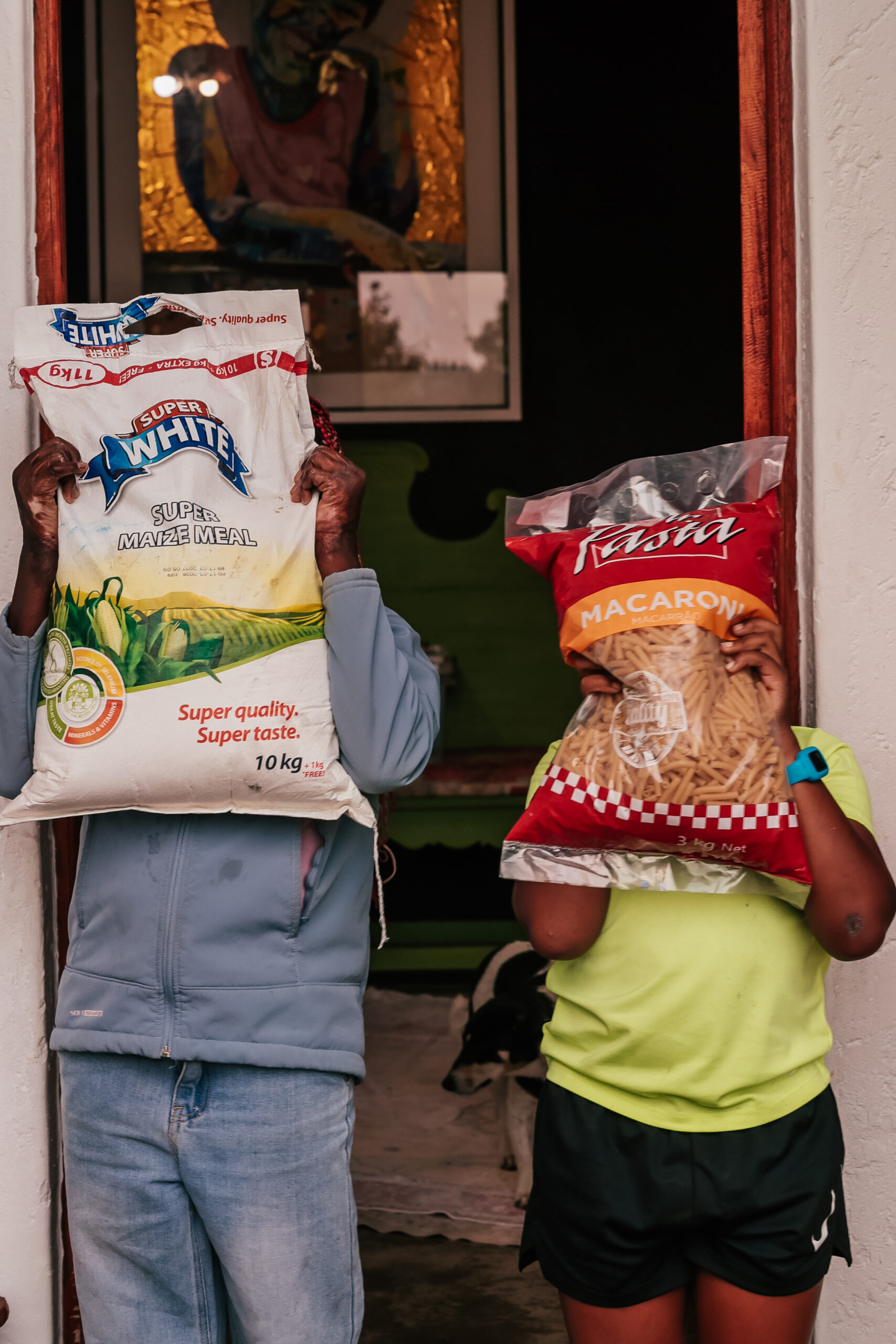
So I limit sugar. I keep processed food to somewhere near zero. And the actual aim, three meals and two snacks a day, every single day, is to pack as many nutrients as is humanly possible into every single bite — here we don’t calorie count, we just try to pack nutrients. These are children whose bodies need to catch up on years they didn’t get to have, and I am not going to hand that responsibility to a packet of two-minute noodles or a bowl of slop.
Watching a child learn to depend on food — to trust that the next meal is coming, that it will be good, that nobody is going to weaponise it or withhold it or forget about it — is one of the deepest privileges I have ever had. It is genuinely one of the most quietly extraordinary things I get to witness.


Managing behaviour through food is a massive part of what we do here. Acknowledging that for so many of our children, food was never neutral to begin with – that it was a battleground, or a bribe, or simply absent – is the beginning. Rebuilding it into something safe is slow, repetitive, unglamorous work, and it is also some of the most important work happening in this house.
Food is one of the ways we get children past merely surviving. But I would like — just once — for someone to look past the bolognaise and actually clock what it took to get it onto the table. The planning. The vegetables smuggled in with intent. The years of learning which battles are fought with a spoon and which are fought with patience. The unpaid, unglamorous, deeply skilled labour of it.
I’m not asking anyone to feel sorry for the grocery list. I’m asking that the next time someone calls this kind of care “just cooking,” they picture the whole chain — the planning, the sourcing, the failed attempts, the small wins nobody photographs — and reconsider whether “just” belongs anywhere near it.


I’ll keep doing it either way. I have a grateful heart and I am more than willing to be on the ground for this, elbow-deep in mince and eight kinds of vegetables, for as long as it takes. Every plate that leaves this kitchen is doing a great deal more work than anyone gives it credit for.

If my gut is anything to go by, you have never had to think about what it takes to rehabilitate a child’s nervous system from scratch. And you’ve likely never thought about the link to that reqire and food. Almost all of our children have, at some point in their lives before us, experienced severe food insecurity. That means they’ve lived much of their formative years uncertain as to how, when or what they’re going to eat. The rehabilitation process is not as simple as making food available to a child who is malnourished. In fact, nursing a malnourished child back to ‘simple’ physical health is not nearly as simple as it sounds. And no, there’s not space in the picture soft-focus image of the linen-apron-clad mother artfully arranging heirloom carrots while a grateful child looks on.

There is a really unglamorous, deeply unsexy mechanic to the monotonous regime of creating safety around food, and it’s a part of this work that is often completely overlooked. Perhaps shadowed by the war like application of porridge, peanut butter sandwiches and slop that render many heroes. But the mere feeding and watering of children fills to truly get to the depths of the trauma that collectively ensures when depravity and scarcity have been foundational to a child’s existence. Feeding children slop isn’t enough. It isn’t.
And I would like, just once, to be believed about that.

When children arrive in our home, lives and nervous systems shaped by chaos, disruption, scarcity – their brains, and might I believe their bodies on a cellular level, have been rewired. And getting them back to an equilibrium from which they can thrive is not as simple as simply providing a bowl of porridge in a dull, scratched plastic bowl. It might keep them physically alive, sure I can’t argue that – but it will quite simply not provide them with the platform from which they can rejoin society as productive and contributing adults who are able to meaningfully contribute to their communities.


They say the gut is the second brain. What I have observed is that the first brain is rendered useless without it – and thus assigning it second status seems contrite and unthinking.
What my uneducated experience has shown me time and time again: you cannot therapy your way around a nervous system that has never known what “enough” tastes like. You have to feed your way through it. Slowly. Deliberately. For years. With adequate food. Predictable meal times. Consistent high nutrition. Ask most people what “trauma-informed care” looks like day to day and you’ll get therapy rooms, sand trays, maybe a dog. Nobody pictures a woman standing in a grocery store aisle with a groaning trolley, working out how to get iron, zinc, and omega-3s into a child who currently regards anything that isn’t ‘pap’ as a personal attack… while being conscious of an ever dwindling budget.

Yet in truth, the shelves of that grocery store hold the potential for more rehabilitative work than most people will ever truly understand. The nervous system doesn’t care how good your intentions are in the therapy room if the little body underneath it is still running on additives and adrenaline.
So at the core of every day here, at the very height of what I do is that: Grocery shopping, menu planning, food preparation, storage — every link in that chain runs through me. All of it.

There is no rostered handover, no “someone else has got this one.”

I hold the whole turnkey operation, from the trolley to the plate to whatever happens in a small body an hour after the plate is empty. And menu planning here isn’t “what shall we have for dinner” — it’s a standing exercise in matching nutrient density against sensory tolerance against behavioural history against whatever this particular week has thrown at us, for however many children are at the table on any given night. But at exactly midday, and again at 6pm daily – we eat. “What o’clock is it” a four year old will ask – and I know his little brain is computing when the next meal will come.

I have a deep, unshakeable belief in the power of food. Given the nature of what we do it may seem superfluous – surely just keeping them alive is enough? I refuse. I know how that sounds to some people — like a luxury, like something you reach for once the real interventions are handled and fundraising is sorted. But it’s not. It’s not the garnish on the healing. It’s load-bearing.

So I limit sugar. I keep processed food to somewhere near zero. And the actual aim, three meals and two snacks a day, every single day, is to pack as many nutrients as is humanly possible into every single bite — here we don’t calorie count, we just try to pack nutrients. These are children whose bodies need to catch up on years they didn’t get to have, and I am not going to hand that responsibility to a packet of two-minute noodles or a bowl of slop.
Watching a child learn to depend on food — to trust that the next meal is coming, that it will be good, that nobody is going to weaponise it or withhold it or forget about it — is one of the deepest privileges I have ever had. It is genuinely one of the most quietly extraordinary things I get to witness.


Managing behaviour through food is a massive part of what we do here. Acknowledging that for so many of our children, food was never neutral to begin with – that it was a battleground, or a bribe, or simply absent – is the beginning. Rebuilding it into something safe is slow, repetitive, unglamorous work, and it is also some of the most important work happening in this house.
Food is one of the ways we get children past merely surviving. But I would like — just once — for someone to look past the bolognaise and actually clock what it took to get it onto the table. The planning. The vegetables smuggled in with intent. The years of learning which battles are fought with a spoon and which are fought with patience. The unpaid, unglamorous, deeply skilled labour of it.
I’m not asking anyone to feel sorry for the grocery list. I’m asking that the next time someone calls this kind of care “just cooking,” they picture the whole chain — the planning, the sourcing, the failed attempts, the small wins nobody photographs — and reconsider whether “just” belongs anywhere near it.


I’ll keep doing it either way. I have a grateful heart and I am more than willing to be on the ground for this, elbow-deep in mince and eight kinds of vegetables, for as long as it takes. Every plate that leaves this kitchen is doing a great deal more work than anyone gives it credit for.

Crop Image