But Hospitals Are Free

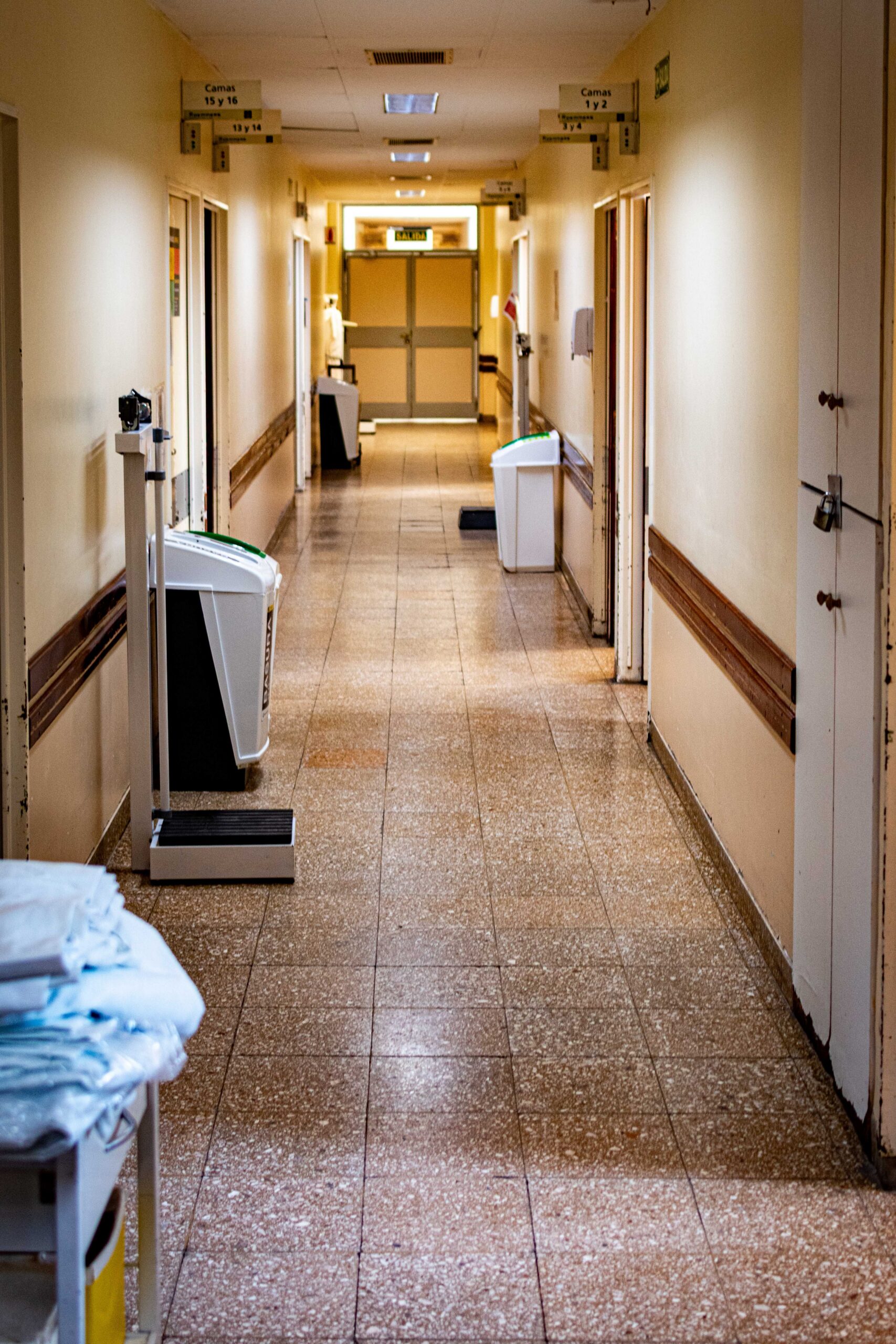
If I have heard it once, I have heard it a thousand times: hospitals are free. Having travelled the road I have, with the number of children I haven walked alongside – I disagree. In near totality. For our children, those who fight to be recognised as real human beings, healthcare has been neither accessible nor free.

Perhaps it’s because, in my own privileged world, I have experienced private medical care. Not perfect, sure. But certainly not devoid of the basics. Over what must now be in the high hundreds of appointments, the multiple hospitalisations, the endless list of medical needs — I have found, again and again, that the cost of a “free” state hospital stay is, holistically, so much higher than that of private care. This might be because I value something state often doesn’t – time. Perhaps it’s because I feel that any cost of dignity is too high.


Picture this: A child is, by every reasonable judgement, adoptable. Legally. Except he’s not. Because he can’t be adopted until he is medically fit. And he can’t be medically fit until a surgery is completed. And the surgery waiting list is hundreds of people long, and will take years — years — before he even becomes eligible.

Is hospital still free?
Or there’s a burns victim who could be saved if the right wound treatments were stock. But they’re not. And so she dies.
Is hospital still free?


Or a mother needs chronic meds to stay alive but has to take a day off work every month to collect them because the queue is so long and so she loses her job or loses her life.
Is hospital still free?

I could go on. I won’t. You get the point. It’s quite simply not at no cost. At some point, we have to determine which cost we deem most affordable.
We’ve walked an extraordinary road with the orthopaedic needs of one of our children. At one point, he lay in a hospital bed for seven weeks for a procedure that would take a single morning in a private facility.

Almost every day they kept him nil per mouth — no food, no water, prepped and ready for a theatre that never came. And every day, something befell the ward. No oxygen, can’t operate. Theatres too hot, can’t operate. Doctors not here, can’t operate. No nurses, can’t operate. Strike, can’t operate. Stock shortage, can’t operate. No cleaning staff, can’t operate. Aircons broken, can’t operate.

Every single day. For seven and a half weeks. He waited.

That was not free. Not to him. Not to us. Not to anyone who has ever had to explain to a child, again, why today is not the day either.
We eventually found a way to get him the surgeries he needs privately, and it has changed everything — not just the physical outcome, but the trauma, and crucially, it has allowed him to keep moving through the adoption process. Because he deserves permanence. He has waited long enough for everything else. He should not have to wait for a family too.


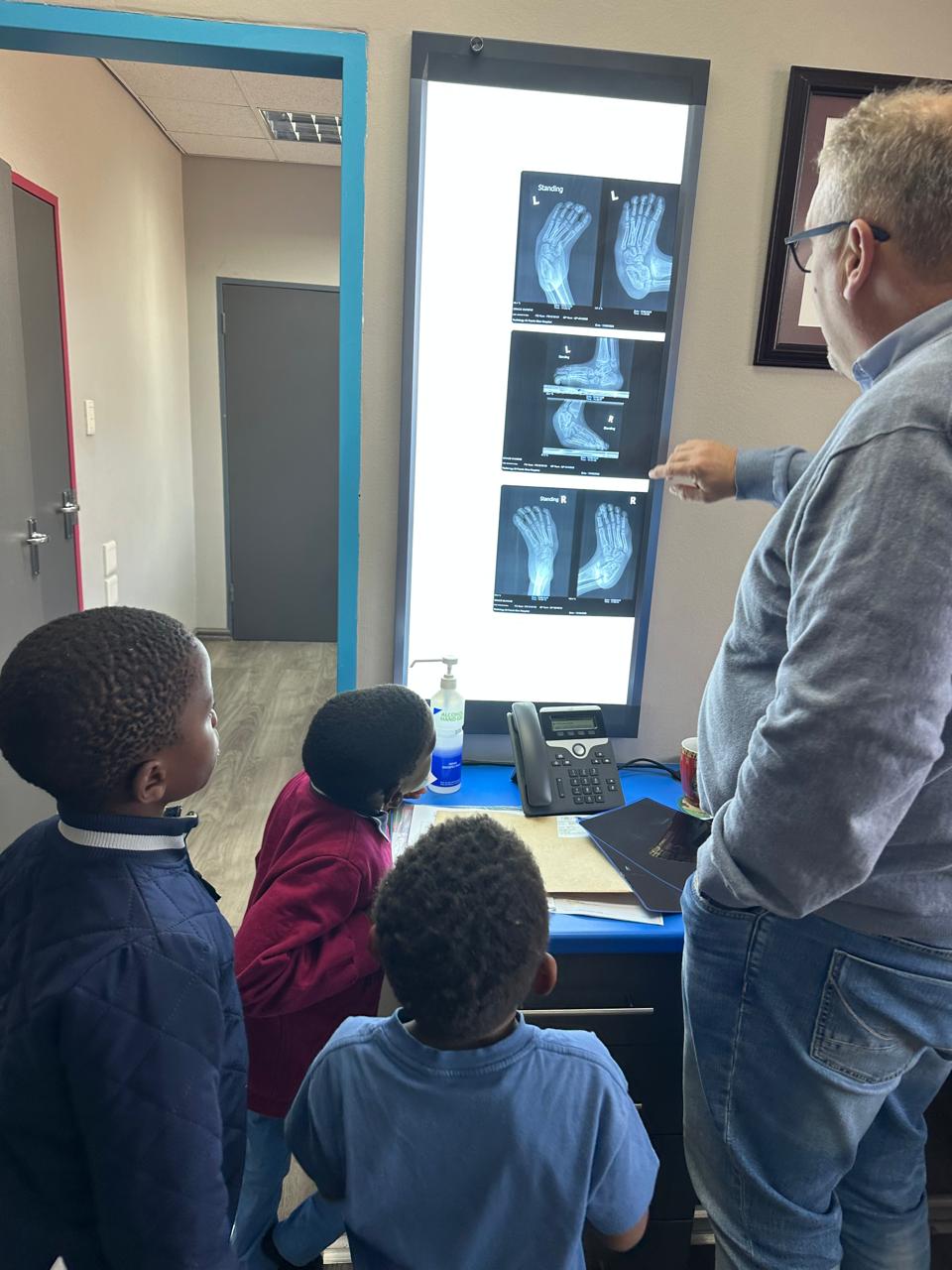
The trauma sitting in the cells of this child’s body is unlike anything I have witnessed in all my years doing this work. Hospitals terrify him. So we make it fun wherever we possibly can — like we did on our most recent trip for radiology, turning a room full of machines and fear into something he could get through with a joke instead of a scream.

His medical needs are complex, and surgery will likely remain part of his life for a while yet. Our most recent visit to his orthopaedic surgeon confirmed the next one is coming. Balancing urgent against non-urgent, coordinating with social workers so his case stays prioritised for adoption, carrying the knowledge that every decision I make now shapes the life he gets to have — it is a lot.

He is one of the most remarkable humans I have ever met, and I carry the responsibility of getting this right for him like it’s the only thing that matters.

Some days, it is.

We need to raise R70,000 to get this surgery done before the end of this year.


Not eventually. Not “when the state list gets to him.” Before the end of this year — so he can keep moving toward the family he has already waited too long for. Hospitals are free, they tell me. Tell that to a seven-year-old who spent seven and a half weeks nil per mouth, waiting for a theatre that never opened.


Can you help us get him there? Every rand gets him closer to a theatre, and a family, that are actually his.

If I have heard it once, I have heard it a thousand times: hospitals are free. Having travelled the road I have, with the number of children I haven walked alongside – I disagree. In near totality. For our children, those who fight to be recognised as real human beings, healthcare has been neither accessible nor free.

Perhaps it’s because, in my own privileged world, I have experienced private medical care. Not perfect, sure. But certainly not devoid of the basics. Over what must now be in the high hundreds of appointments, the multiple hospitalisations, the endless list of medical needs — I have found, again and again, that the cost of a “free” state hospital stay is, holistically, so much higher than that of private care. This might be because I value something state often doesn’t – time. Perhaps it’s because I feel that any cost of dignity is too high.


Picture this: A child is, by every reasonable judgement, adoptable. Legally. Except he’s not. Because he can’t be adopted until he is medically fit. And he can’t be medically fit until a surgery is completed. And the surgery waiting list is hundreds of people long, and will take years — years — before he even becomes eligible.

Is hospital still free?

Or there’s a burns victim who could be saved if the right wound treatments were stock. But they’re not. And so she dies.
Is hospital still free?


Or a mother needs chronic meds to stay alive but has to take a day off work every month to collect them because the queue is so long and so she loses her job or loses her life.
Is hospital still free?

I could go on. I won’t. You get the point. It’s quite simply not at no cost. At some point, we have to determine which cost we deem most affordable.
We’ve walked an extraordinary road with the orthopaedic needs of one of our children. At one point, he lay in a hospital bed for seven weeks for a procedure that would take a single morning in a private facility.

Almost every day they kept him nil per mouth — no food, no water, prepped and ready for a theatre that never came. And every day, something befell the ward. No oxygen, can’t operate. Theatres too hot, can’t operate. Doctors not here, can’t operate. No nurses, can’t operate. Strike, can’t operate. Stock shortage, can’t operate. No cleaning staff, can’t operate. Aircons broken, can’t operate.

Every single day. For seven and a half weeks. He waited.

That was not free. Not to him. Not to us. Not to anyone who has ever had to explain to a child, again, why today is not the day either.
We eventually found a way to get him the surgeries he needs privately, and it has changed everything — not just the physical outcome, but the trauma, and crucially, it has allowed him to keep moving through the adoption process. Because he deserves permanence. He has waited long enough for everything else. He should not have to wait for a family too.


The trauma sitting in the cells of this child’s body is unlike anything I have witnessed in all my years doing this work. Hospitals terrify him. So we make it fun wherever we possibly can — like we did on our most recent trip for radiology, turning a room full of machines and fear into something he could get through with a joke instead of a scream.

His medical needs are complex, and surgery will likely remain part of his life for a while yet. Our most recent visit to his orthopaedic surgeon confirmed the next one is coming. Balancing urgent against non-urgent, coordinating with social workers so his case stays prioritised for adoption, carrying the knowledge that every decision I make now shapes the life he gets to have — it is a lot.

He is one of the most remarkable humans I have ever met, and I carry the responsibility of getting this right for him like it’s the only thing that matters.

Some days, it is.

We need to raise R70,000 to get this surgery done before the end of this year.


Not eventually. Not “when the state list gets to him.” Before the end of this year — so he can keep moving toward the family he has already waited too long for. Hospitals are free, they tell me. Tell that to a seven-year-old who spent seven and a half weeks nil per mouth, waiting for a theatre that never opened.


Can you help us get him there? Every rand gets him closer to a theatre, and a family, that are actually his.

Crop Image